

Blood Sugar and Belly Fat: The Hidden Hormonal Link Explained
Meta Description: Discover how blood sugar spikes, insulin, and cortisol may contribute to stubborn belly fat. Learn natural strategies and nutrients that support metabolic health and balanced glucose levels.
Why Stubborn Belly Fat May Have Nothing to Do With Calories Alone
You’re eating healthy, counting calories, and staying consistent with workouts — yet belly fat refuses to budge. If this sounds familiar, you’re not alone.
For years, weight loss advice has focused almost entirely on the “calories in, calories out” approach. While calories do matter, modern research suggests there’s another major factor influencing fat storage: blood sugar regulation and hormonal balance.
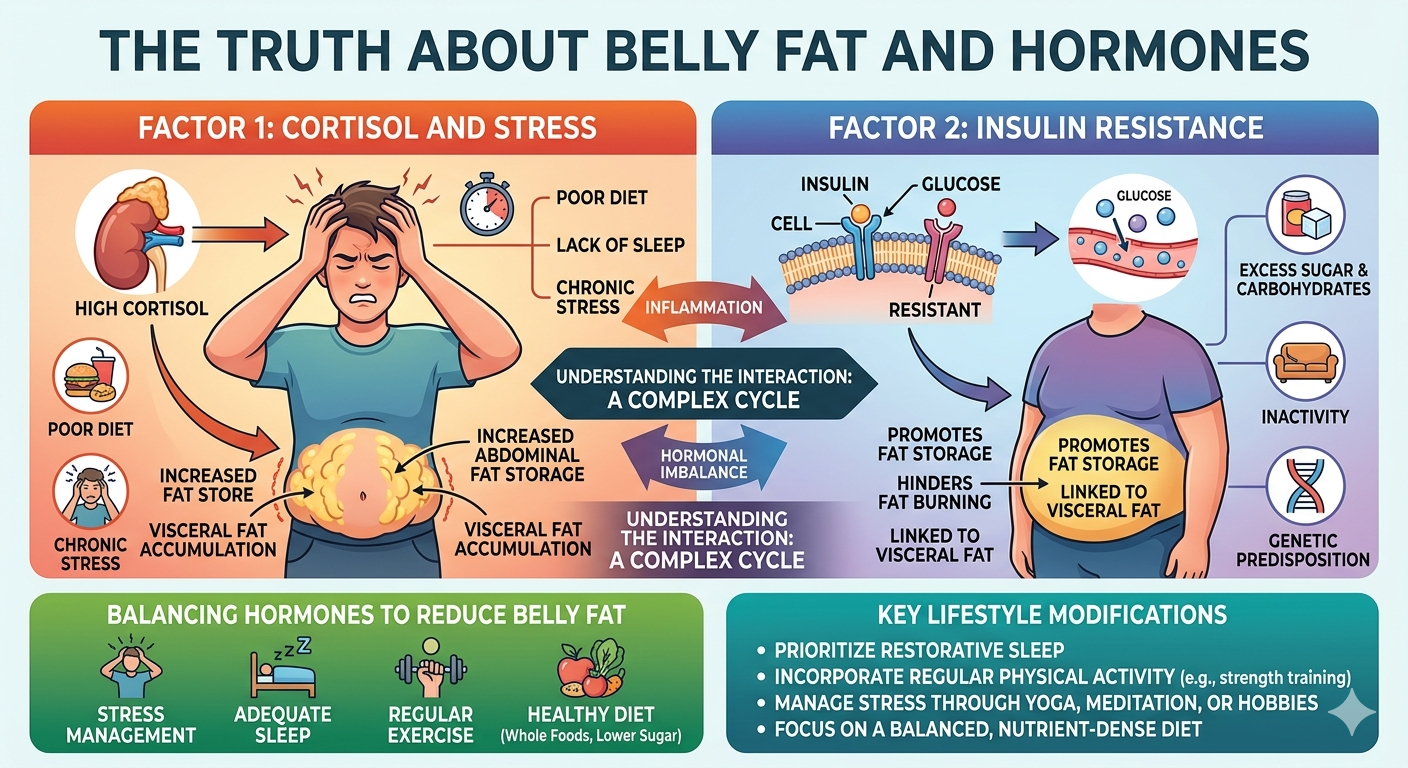
In particular, repeated blood sugar spikes may trigger a chain reaction involving insulin and cortisol — two hormones closely linked to abdominal fat storage.
Understanding this connection can help you make smarter choices for long-term metabolic health and sustainable weight management.
The Science Behind Blood Sugar and Belly Fat
When you eat foods high in refined carbohydrates or added sugars, your body experiences a rapid rise in blood glucose levels.
Step 1: Blood Sugar Spikes
Highly processed foods, sugary drinks, pastries, and refined carbs digest quickly, flooding the bloodstream with glucose. Your body responds rapidly to stabilize those levels.
Step 2: Insulin and Cortisol Response
The pancreas releases insulin, a hormone responsible for transporting glucose from the bloodstream into cells for energy.
At the same time, dramatic fluctuations in blood sugar can increase the body’s stress response, leading to elevated cortisol levels.
This combination matters because:
- Insulin encourages energy storage
- Cortisol may increase cravings and fat accumulation
- Chronic spikes can make fat loss more difficult over time
Step 3: Increased Belly Fat Storage
When insulin and cortisol remain elevated frequently, the body may become more likely to store excess energy around the abdomen as visceral fat.
Visceral fat is more than a cosmetic concern. Research links excess abdominal fat with:
- Reduced insulin sensitivity
- Increased inflammation
- Higher risk of metabolic dysfunction
- Cardiovascular health concerns
Why Stable Blood Sugar Matters for Metabolic Health
Balanced blood sugar levels support:
- Steady energy throughout the day
- Reduced cravings and hunger swings
- Better hormone regulation
- Improved metabolic efficiency
- Sustainable weight management
Instead of focusing only on calorie restriction, many health experts now emphasize strategies that help minimize glucose spikes and improve insulin function naturally.
3 Nutrients That May Support Healthy Blood Sugar Levels
Certain nutrients and plant compounds have been studied for their potential role in supporting metabolic wellness and glucose stability.
1. Chromium: Supporting Insulin Function
Chromium is an essential trace mineral involved in carbohydrate and fat metabolism.
Research suggests chromium may help:
- Support healthy insulin activity
- Improve glucose utilization
- Reduce excessive insulin responses after meals
When insulin functions efficiently, the body may better regulate blood sugar and energy storage.
Foods Naturally Rich in ChromiumCelluCare Supplements – health
- Broccoli
- Whole grains
- Green beans
- Eggs
- Nuts
2. Berberine: A Natural Metabolism Supporter
Berberine is a plant compound extracted from several herbs and roots traditionally used in wellness practices.
Studies indicate berberine may help:
- Support healthy glucose metabolism
- Promote insulin sensitivity
- Assist cellular energy regulation
It works at the cellular level to help the body process glucose more effectively, making it one of the most researched natural compounds for metabolic support.
Important: Berberine may interact with medications. Always consult a healthcare professional before supplementation.
3. Cinnamon Extract: Helping Reduce Post-Meal Spikes
Cinnamon contains naturally occurring compounds that may help slow digestion and support balanced glucose responses after eating.
Potential benefits include:
- Reduced post-meal blood sugar spikes
- Improved insulin sensitivity
- More stable energy levels
Adding cinnamon to meals or beverages may offer gentle metabolic support as part of a balanced lifestyle.
Additional Ways to Support Blood Sugar Balance Naturally
Beyond supplements and nutrients, daily habits play a major role in metabolic health.
Prioritize Protein and Fiber
Protein and fiber slow digestion and help reduce rapid glucose spikes after meals.
Limit Highly Processed Carbohydrates
Reducing refined sugars and processed snacks can help stabilize insulin responses.
Move After Meals
Even a short 10–15 minute walk after eating may help improve glucose regulation.
Improve Sleep Quality
Poor sleep can negatively affect insulin sensitivity and increase cortisol production.
Manage Stress Levels
Chronic stress contributes to elevated cortisol, which may encourage abdominal fat storage.
The Bigger Picture: Metabolic Health Over Quick Fixes
Belly fat is often treated as purely a weight-loss issue, but it may actually reflect deeper metabolic imbalances.
Rather than obsessing over calorie counting alone, focusing on:
- Blood sugar stability
- Hormonal balance
- Nutrient-dense foods
- Sustainable habits
can create a more effective and long-lasting path toward wellness.
Final Thoughts
The connection between blood sugar, insulin, cortisol, and belly fat is becoming increasingly difficult to ignore.
Supporting healthy glucose regulation may not only help with weight management but also improve energy, mood, cravings, and overall metabolic health.
Small daily choices — balanced meals, movement, sleep, stress management, and targeted nutritional support — can make a meaningful difference over time.
Frequently Asked Questions
Can blood sugar spikes cause belly fat?
Repeated blood sugar spikes may contribute to increased insulin and cortisol levels, both of which are associated with abdominal fat storage.
What foods help stabilize blood sugar?
Foods rich in protein, fiber, and healthy fats — such as vegetables, legumes, eggs, fish, nuts, and whole grains — may help maintain balanced glucose levels.
Is belly fat linked to hormones?
Yes. Hormones such as insulin and cortisol play a major role in how and where the body stores fat.
Does cinnamon help lower blood sugar?
Some research suggests cinnamon may help reduce post-meal blood sugar spikes and improve insulin sensitivity when combined with a healthy diet.
Is calorie counting enough for weight loss?
Calories matter, but hormone regulation, food quality, sleep, stress, and metabolic health also significantly influence fat storage and weight management.